Project Highlights
Northway carried out structural timber repairs and specialist woodworm treatment at a property in Leeds city centre after extensive Common Furniture Beetle activity compromised the ground floor structure and contributed to partial collapse.
Extensive Common Furniture Beetle activity identified during survey
Ground floor timbers compromised to the point of partial structural failure
Severely degraded timber elements removed and replaced
Remaining structural timbers treated with insecticidal preservative
Project Overview
Northway attended a property in Leeds city centre following the partial collapse of a ground floor structure.
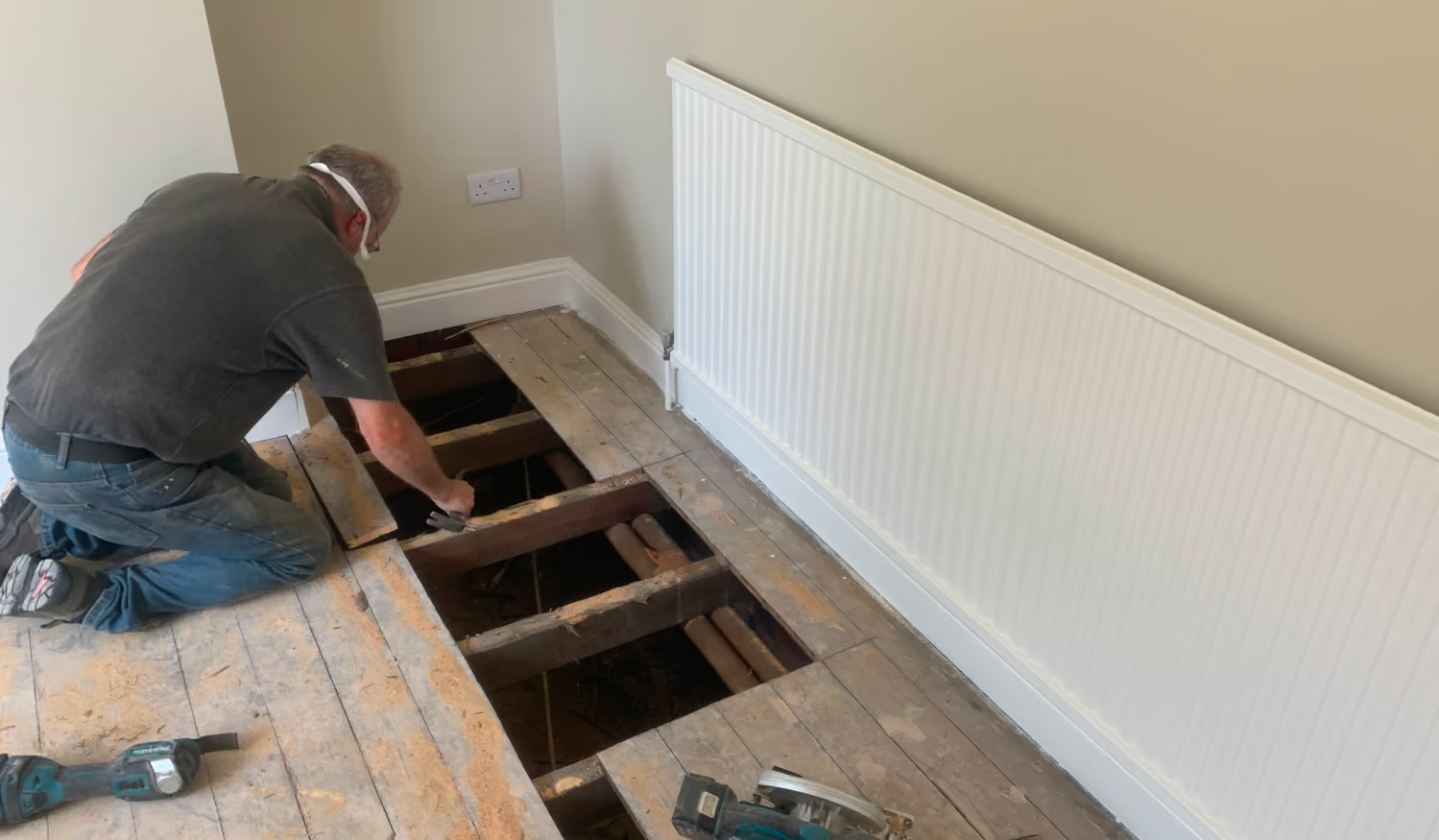
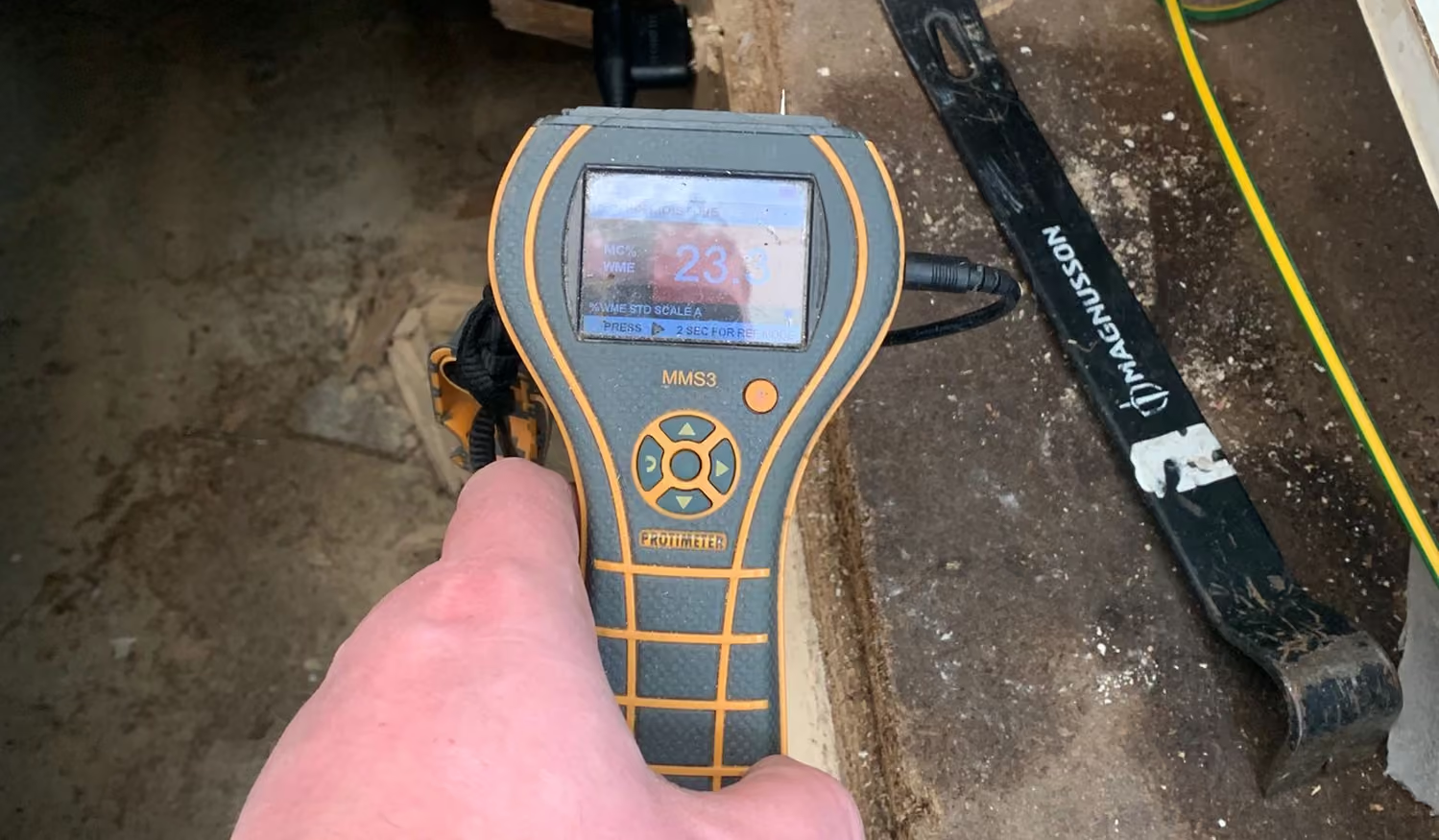
During Northway’s survey, extensive Common Furniture Beetle activity, commonly known as woodworm, was identified within the affected structural timbers. The level of infestation had significantly weakened the timber elements, resulting in a serious structural concern for the client.
The Issue
Woodworm is often seen as a minor issue when only small flight holes are visible, but untreated infestation can cause significant timber deterioration over time.
In this case, the infestation had progressed to the point where the affected ground floor timbers were severely compromised. The structural integrity of the timber had been reduced to the point of failure, resulting in partial collapse of the floor structure.
Works Carried Out
Northway carried out remedial works to address both the failed timber elements and the active woodworm infestation.
Works included:
- Survey of the affected ground floor structure
- Identification of extensive Common Furniture Beetle activity
- Removal of severely degraded timber elements
- Replacement of compromised structural timbers
- Insecticidal preservative treatment applied to remaining structural timbers
- Preventative treatment to help eliminate active infestation and reduce further spread
Outcome
The works addressed the immediate timber failure while treating the remaining structural timbers against active woodworm infestation.
This project highlights the structural risk posed by untreated woodworm over time, particularly where infestation affects floor structures or other load-bearing timber elements. Early diagnosis is important to identify active infestation before timber deterioration progresses to a more serious stage.