
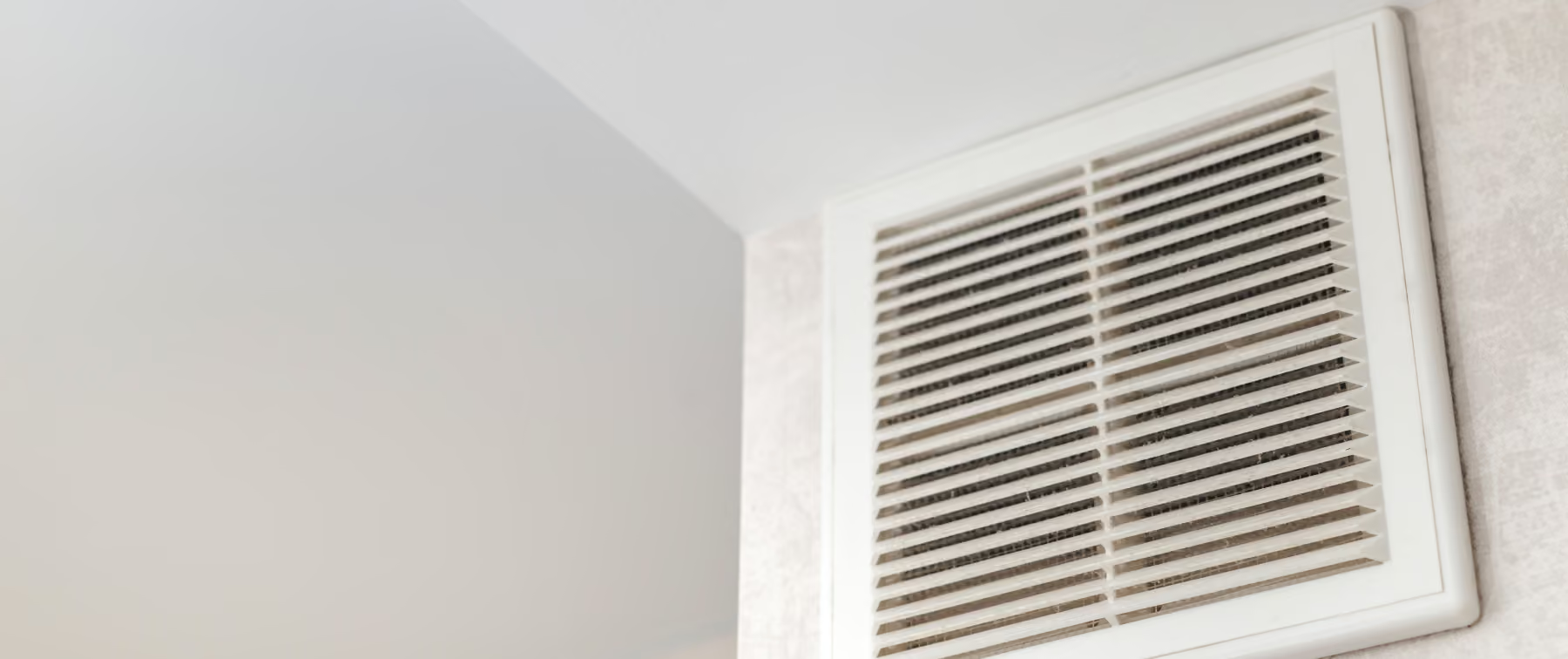
Ventilation is one of the most important factors in controlling moisture within a property. When air cannot circulate properly, moisture can become trapped inside rooms, wall areas, roof spaces, cellars and floor voids.
Over time, this can lead to condensation, mould growth, damp finishes and timber decay. In some properties, poor ventilation can also increase the risk of wood-boring insect activity by creating moisture conditions that make timber more vulnerable.
This is why ventilation should not be treated as a minor detail. In many damp and timber problems, airflow is directly linked to the cause of the issue.
Everyday activities such as cooking, bathing, drying clothes and heating a property create moisture in the air. If this moisture cannot escape or circulate properly, it can settle on colder surfaces as condensation.
This is commonly seen around windows, external walls, ceiling edges, corners, cupboards and poorly ventilated rooms.
Signs of poor ventilation may include:
While condensation is often seen as a surface-level problem, the underlying issue is usually related to moisture balance, airflow, heating and how the building is performing.
Ventilation is not only important inside living spaces. It is also essential below suspended timber floors.
Many older properties have floorboards and joists suspended above a void. This void needs airflow to help moisture escape. If air bricks are blocked, missing, damaged or poorly positioned, moisture can build up beneath the floor.
This can create conditions that increase the risk of:
In these cases, treating the timber alone may not be enough. If the moisture conditions remain the same, the underlying risk can continue.
Timber problems are often closely linked to moisture. Fungal decay, including wet rot and dry rot, requires moisture to develop. Wood-boring insects are also more commonly associated with timber that has been affected by moisture or poor environmental conditions.
This means that when timber decay or woodworm is identified, the surrounding conditions should also be assessed. A proper inspection should consider not only the visible timber damage, but also moisture levels, ventilation, leaks, subfloor airflow and any defects that may be contributing to the issue.
Without this wider diagnosis, the treatment may only deal with the symptom rather than the cause.
In some cases, timber treatment, mould cleaning or plaster repairs may be required. However, these works should be supported by an understanding of why the issue developed in the first place.
For example, if wet rot has affected floor timbers because the subfloor void has poor airflow, replacing the decayed timber without improving ventilation may leave the property vulnerable to future problems.
Similarly, if mould is cleaned from a wall but the room remains poorly ventilated, the mould may return.
This is why a survey-led approach is important. The correct solution may involve treatment, repair, ventilation improvements or a combination of these.
You should consider arranging a survey if you notice recurring condensation, mould growth, musty smells, soft timber, decayed floorboards, bouncy floors or signs of woodworm activity.
These issues can often be connected to moisture and ventilation, especially in older properties, cellars, ground floor rooms and areas with suspended timber floors.
A professional survey can help identify whether poor airflow is contributing to the problem and whether ventilation improvements are required alongside any remedial works.
Northway assesses damp and timber problems by looking at both the visible defect and the conditions around it.
Where ventilation is contributing to condensation, mould, timber decay or woodworm risk, we will identify this during the survey and recommend appropriate remedial action. This may include ventilation improvements, subfloor airflow upgrades, moisture control measures, timber treatment, plaster repairs or replacement of decayed timber where required.
A specialist survey can help confirm the cause, severity and likely remedial works before you proceed with a property purchase.
Learn More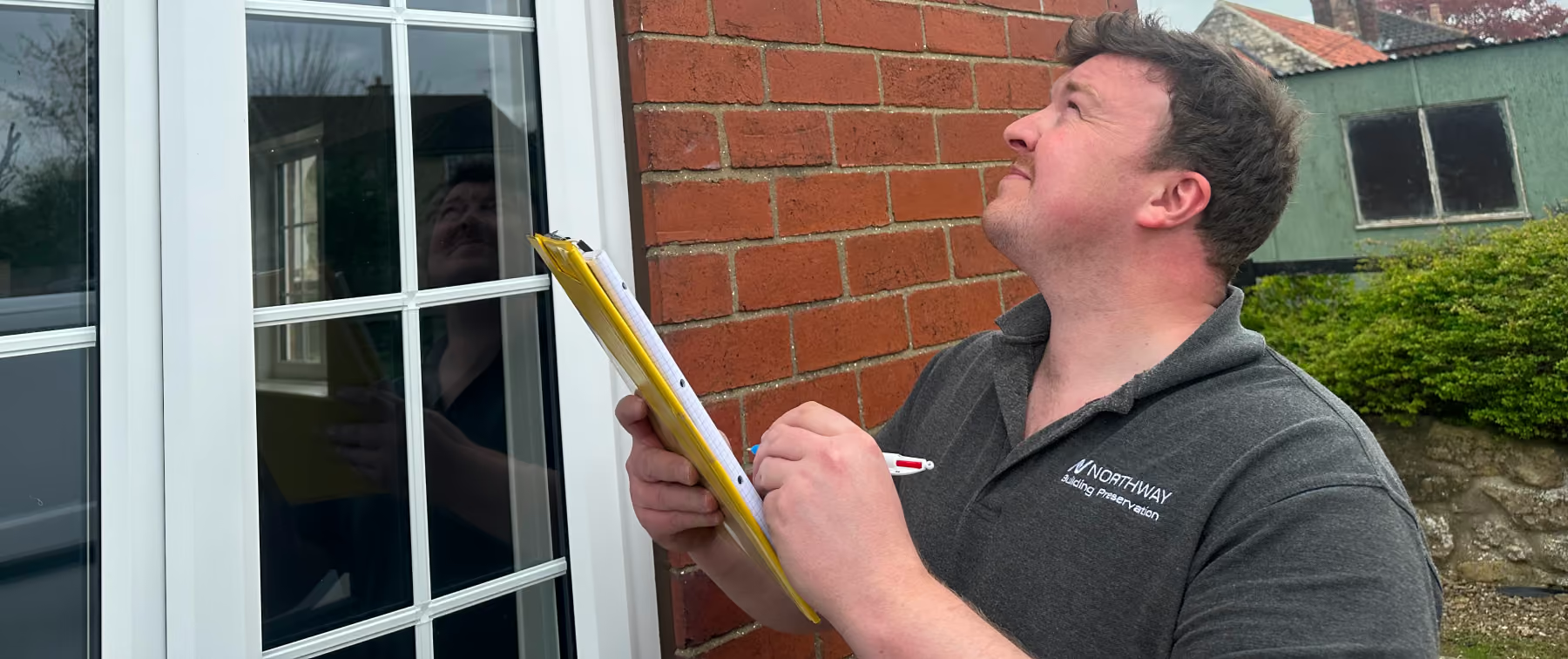
Damp patches after rainfall often point to moisture entering through defects in the external building fabric.
Learn More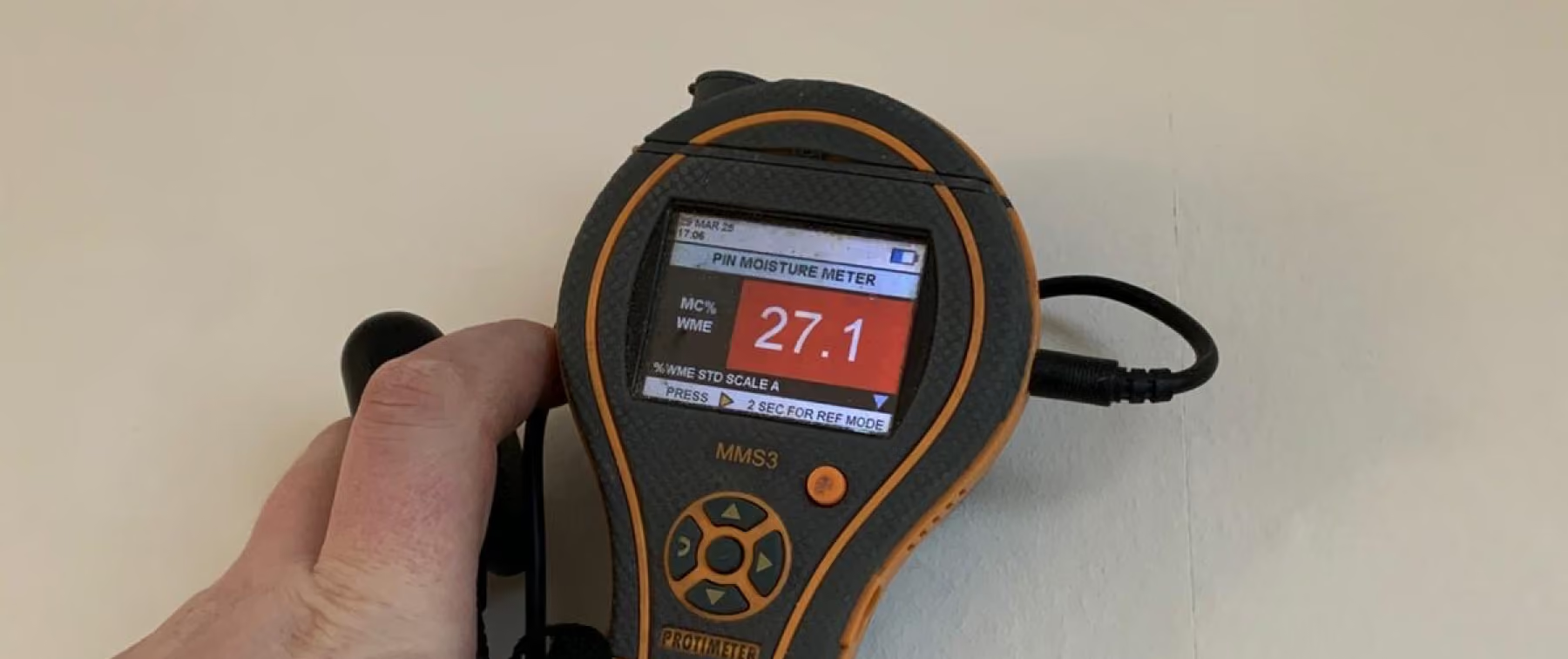
A technical guide to the difference between wet rot and dry rot, how each develops and why accurate diagnosis matters.
Learn More.avif)
If you have concerns about damp or timber issues in your property, book a survey with Northway.
Whether you have a question, would like to book a survey or need support, our team is here to assist you.


