
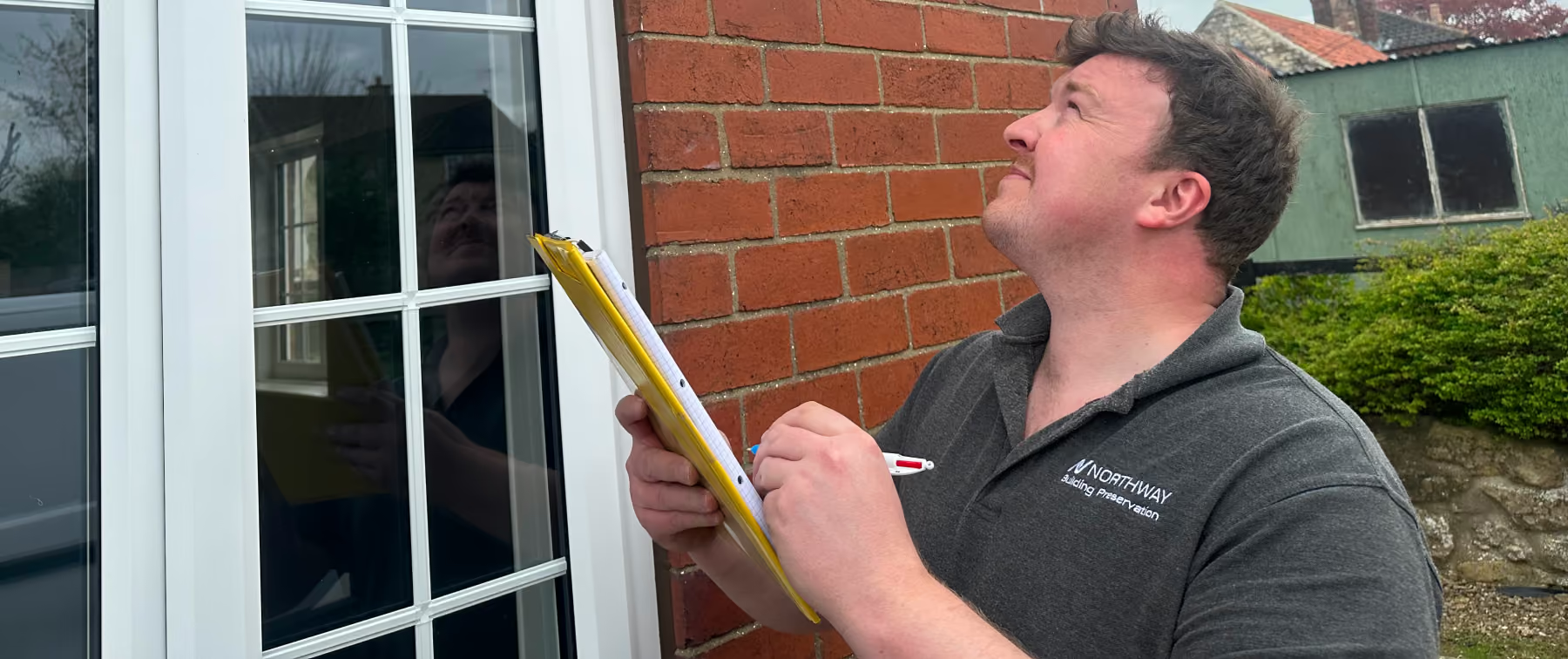
Homebuyer reports are designed to highlight visible defects, potential risks and areas that may require further investigation before a property purchase is completed.
Damp and timber concerns are commonly raised because they can affect the condition, value and long-term maintenance of a property. A report may mention signs such as damp patches, high moisture readings, timber decay, woodworm flight holes, soft floorboards, mould growth or suspected defects to structural timbers.
In many cases, the report will not provide a full diagnosis. Instead, it may recommend that a specialist damp and timber survey is carried out before proceeding.
When a homebuyer report recommends further investigation, it usually means the surveyor has identified a concern that needs more detailed assessment.
This does not always mean the issue is severe, but it does mean the buyer needs more information before making a decision.
For example, visible woodworm holes may be historic or active. Damp patches may be caused by condensation, penetrating damp, rising damp, leaks or previous building defects. Timber decay may be localised or linked to wider moisture conditions.
A specialist survey helps establish what is actually happening rather than relying on assumptions.
Buying a property without properly understanding damp or timber issues can create uncertainty. Some defects may be minor and straightforward to manage, while others may require more significant remedial works.
Without specialist diagnosis, it can be difficult to understand:
A damp and timber survey gives you clearer information before you commit to the property.
A pre-purchase damp and timber survey looks more closely at the areas of concern raised in the homebuyer report, as well as any related defects that may affect the property.
Depending on the issue, this may include checking moisture levels, inspecting accessible timbers, assessing signs of woodworm activity, reviewing visible decay, identifying possible moisture sources and considering the condition of the surrounding building fabric.
The aim is to confirm the likely cause and severity of the issue so that any recommendations are based on evidence.
Following the survey, you should receive a clear report outlining the findings and recommended next steps.
This can help you:
In some cases, the report may confirm that only limited works are needed. In others, it may identify more significant defects that should be considered before proceeding.
You should consider arranging a specialist survey if your homebuyer report mentions damp, timber decay, woodworm, rotten floorboards, high moisture readings, mould, damaged plaster, suspected rising damp or further investigation into structural timbers.
It is usually best to arrange this before the purchase is completed, so you have the information you need while decisions can still be made.
Northway provides specialist pre-purchase damp and timber surveys for homebuyers who need clear, practical advice before proceeding with a property purchase.
Our survey-led approach focuses on identifying the cause, extent and severity of any damp or timber concerns before recommending remedial works. Where issues are confirmed, we provide clear findings and practical recommendations to help buyers understand the property’s condition and make an informed decision.
Poor ventilation can trap moisture, leading to condensation, mould, timber decay and increased risk of woodworm activity.
Learn More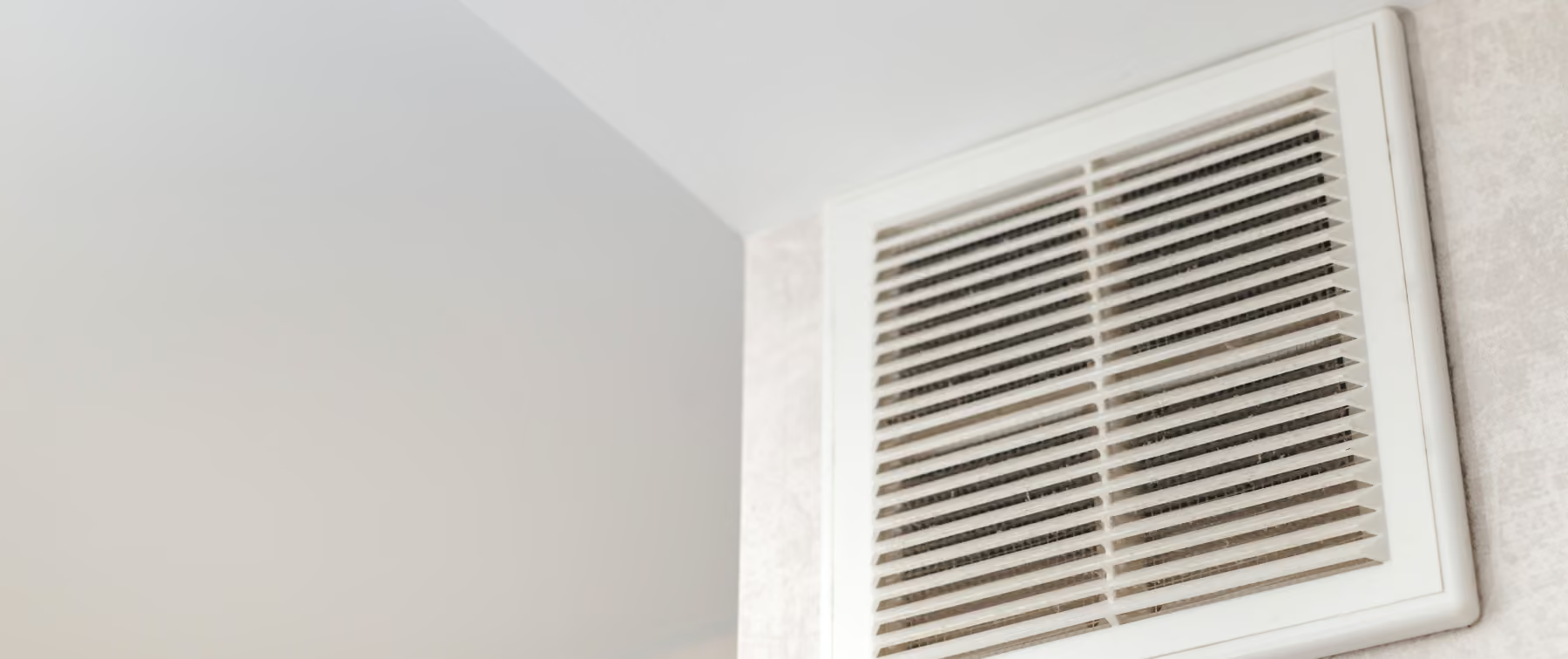
Damp patches after rainfall often point to moisture entering through defects in the external building fabric.
Learn More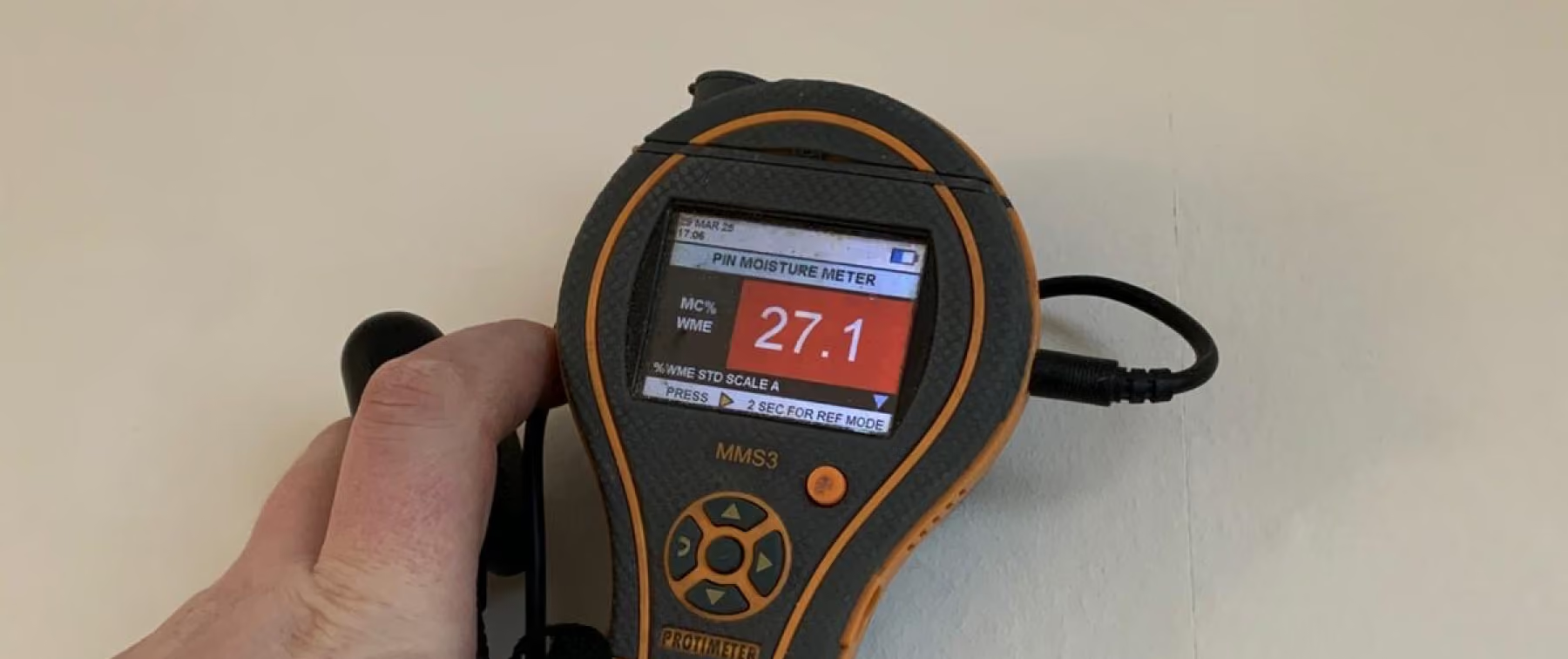
A technical guide to the difference between wet rot and dry rot, how each develops and why accurate diagnosis matters.
Learn More.avif)
If you have concerns about damp or timber issues in your property, book a survey with Northway.
Whether you have a question, would like to book a survey or need support, our team is here to assist you.


