
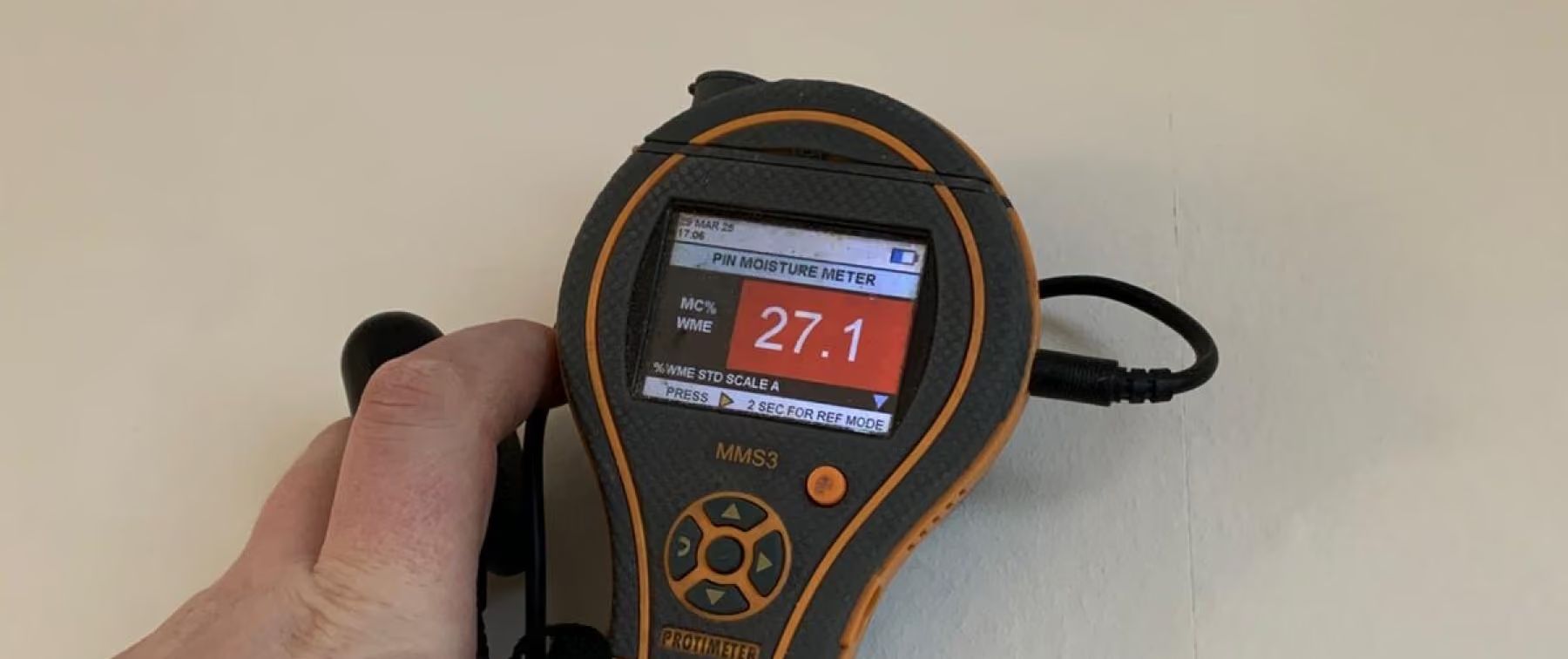
If damp patches appear or become worse after periods of rainfall, it often suggests that moisture is entering the building from outside. This is commonly referred to as penetrating damp.
Unlike condensation, which is usually linked to moisture inside the property, penetrating damp is normally caused by a defect in the external building fabric. Water finds a route through the wall, roof, masonry, window surround or junction detail, then begins to affect the internal plaster, decoration or surrounding materials.
This is why damp patches after rain should always be investigated properly rather than treated as a purely internal issue.
There are several external defects that can allow rainwater to enter a property. In many cases, the visible damp patch inside the home is only the symptom, not the source of the problem.
Common causes include:
The location of the damp patch can give an indication of the likely source, but it does not confirm the cause on its own. A damp patch near a ceiling, window, chimney breast or external wall may all require different types of investigation.
One of the most common mistakes with damp patches is to repair the internal plaster or redecorate before the source of moisture has been resolved.
This may temporarily improve how the wall looks, but if rainwater is still entering through the external fabric, the damp patch is likely to return. Paint may blister, plaster may become damaged again, staining may reappear and salts can continue to affect the wall surface.
For this reason, the correct approach is usually to identify and resolve the external defect first. Only once the source of moisture has been addressed should internal finishes be repaired or replaced.
A professional damp survey looks beyond the visible patch and considers the wider building fabric.
This may include assessing the affected internal area, external walls, gutters, roof details, pointing, render, windows, ground levels and any other areas where moisture may be entering the property.
The purpose of the survey is to establish:
This avoids guesswork and helps ensure the correct repairs are recommended.
You should consider arranging a damp survey if damp patches appear after rainfall, continue to return after decoration, worsen during wet weather or are located on external walls, around windows, near chimney breasts or below roof junctions.
Early diagnosis can help prevent further deterioration to plaster, masonry, timber and internal finishes. It can also help avoid unnecessary damp proofing where the real issue is external moisture ingress.
Northway takes a survey-led approach to damp diagnosis. Rather than treating the visible symptom in isolation, we assess the affected area and surrounding building fabric to identify the most likely cause of moisture ingress.
Where penetrating damp is confirmed, recommendations may include external repairs, improvements to rainwater goods, masonry repairs, localised plaster works or other remedial measures depending on the condition of the property.
The aim is to resolve the source of moisture first, then restore the affected areas properly.
A specialist survey can help confirm the cause, severity and likely remedial works before you proceed with a property purchase.
Learn More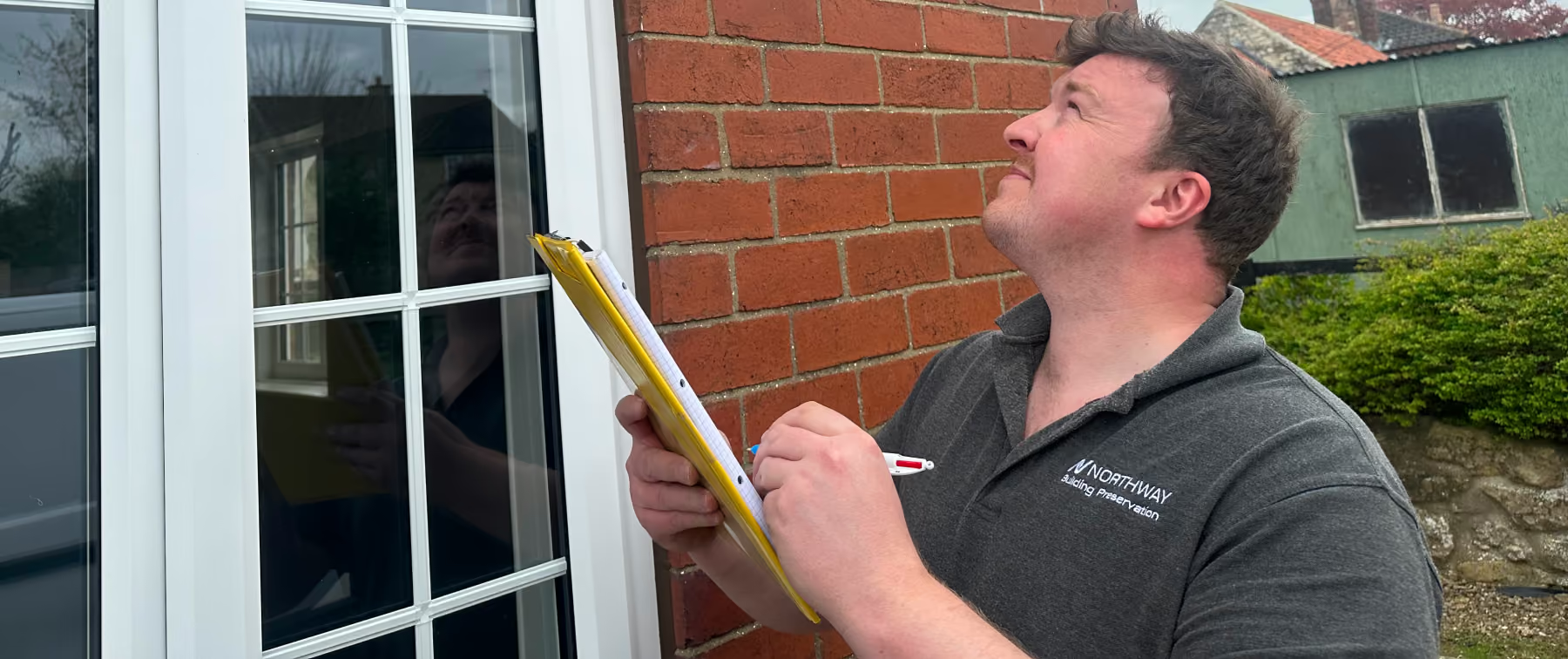
Poor ventilation can trap moisture, leading to condensation, mould, timber decay and increased risk of woodworm activity.
Learn More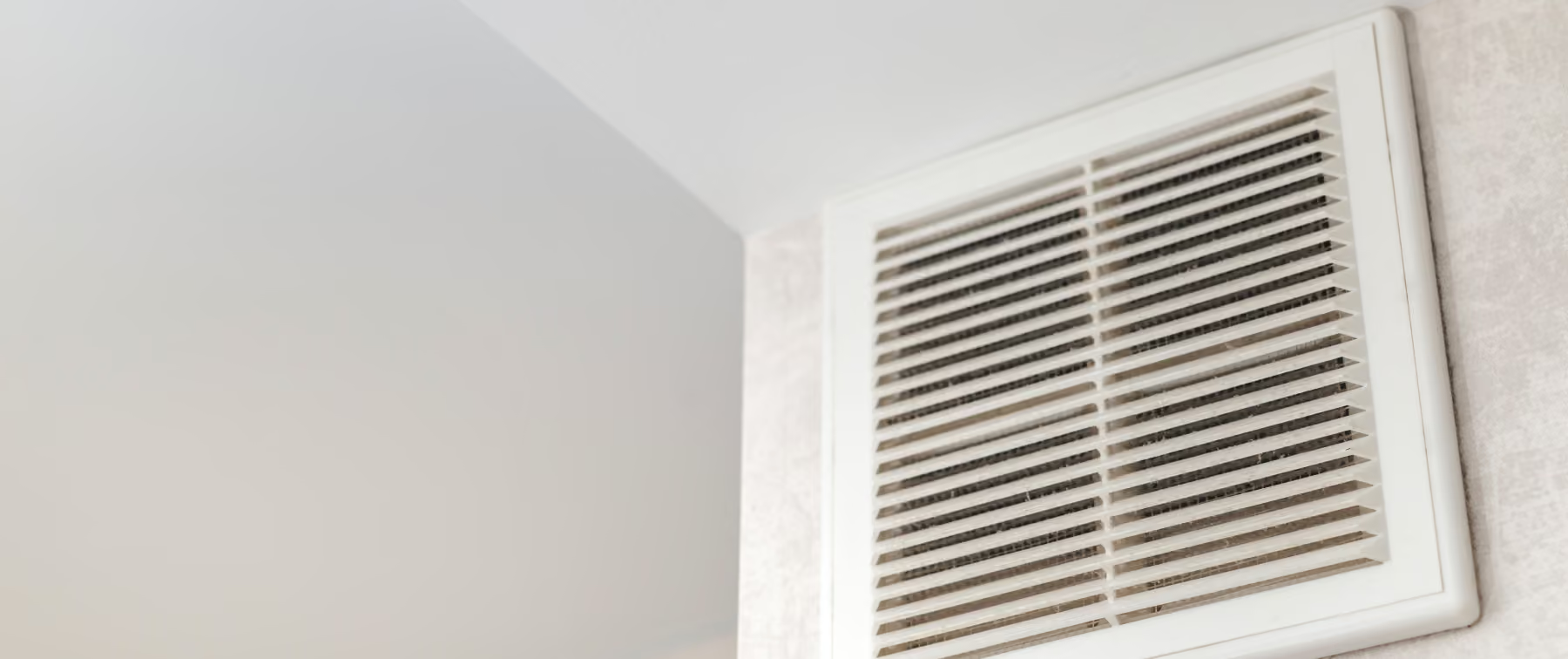
A technical guide to the difference between wet rot and dry rot, how each develops and why accurate diagnosis matters.
Learn More.avif)
If you have concerns about damp or timber issues in your property, book a survey with Northway.
Whether you have a question, would like to book a survey or need support, our team is here to assist you.


