
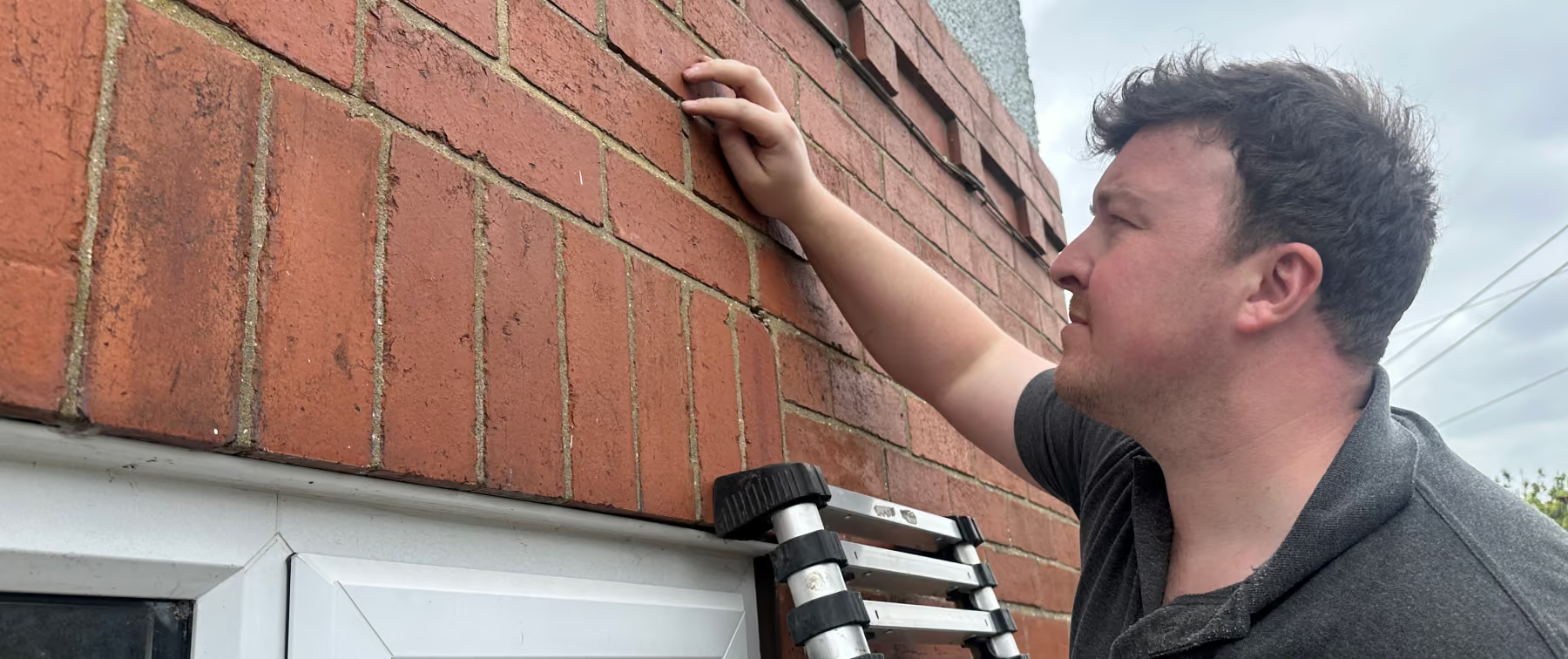
Buying a property is a significant financial commitment. When dampness, timber decay or wood-boring insect activity is identified during the buying process, it can create uncertainty for buyers, sellers and property professionals.
These issues are often first highlighted within a homebuyer report, valuation report or building survey. However, general survey reports are usually cautious by nature and may identify potential areas of concern without providing a full diagnosis of the cause, extent or remedial requirement.
A specialist damp and timber survey helps bridge the gap between a general survey warning and a clear technical assessment.
A homebuyer or building survey may identify issues such as:
These findings do not always mean that major remedial work is required. In many cases, further investigation is needed to understand whether the issue is active, historic, isolated, widespread or linked to a specific defect.
A specialist damp and timber survey focuses specifically on the condition of the building fabric, moisture behaviour and accessible timber elements.
Rather than simply recording symptoms, the purpose is to establish:
This is particularly important where damp and timber defects could affect value, negotiations, mortgage requirements or future maintenance planning.
Damp is often misunderstood because different forms of moisture-related defects can look similar on the surface.
For example, staining, peeling paint, salt deposits or damp patches may be caused by:
Each of these issues requires a different approach. A chemical damp proof course, for example, may be inappropriate if the issue is actually caused by rainwater ingress, condensation or a building defect.
This is why diagnosis should come before specification.
Timber-related issues can range from minor historic defects to more serious structural concerns.
A specialist survey may investigate:
Not all visible timber defects require treatment. For example, historic woodworm holes may be present in older properties without current activity. However, where timber is damp, weakened or affected by active decay, further action may be required.
A damp and timber survey is particularly valuable before contracts are exchanged because it helps buyers understand the potential cost, risk and significance of any defects.
The findings may help with:
For sellers, a specialist survey can also help address concerns early, reduce uncertainty and support a smoother sale process.
Northway’s pre-purchase damp and timber surveys are designed to provide clear, evidence-based findings for property buyers and sellers.
Depending on the property and concerns raised, the survey may include assessment of:
The aim is to provide a practical understanding of the property’s condition and the best way forward.
A clear damp and timber report can support communication between buyers, sellers, estate agents, surveyors, solicitors and lenders.
It provides a structured record of the findings, including the likely cause of any defects and whether remedial work is recommended. Where works are required, the report can also provide a basis for understanding likely scope and priority.
This helps reduce uncertainty during the transaction process and allows decisions to be made with greater confidence.
If the survey identifies damp or timber defects requiring intervention, Northway can advise on the appropriate remedial approach.
This may include:
Where no treatment is required, this will also be clearly explained. A key part of the survey is identifying what does not need doing as well as what does.
Property transactions often operate to tight timescales. Delays in obtaining specialist advice can create uncertainty and slow the purchase process.
A prompt damp and timber survey provides buyers and sellers with the information they need to move forward, whether that means proceeding with confidence, negotiating remedial works or addressing defects before completion.
Northway approaches pre-purchase damp and timber surveys through careful inspection, evidence-based diagnosis and clear reporting.
Our aim is not to assume that treatment is required, but to establish the condition of the property and advise on the most appropriate next step. This helps buyers avoid unnecessary work while ensuring genuine defects are properly identified and addressed.
This approach is particularly important in older and traditional properties, where visible symptoms may relate to historic alterations, moisture behaviour, building fabric defects or previous repairs.
A damp and timber survey can be a valuable part of the property buying process. It provides clarity where general survey findings have raised concern and helps establish whether the issue is minor, historic, active or in need of remedial work.
Before committing to a purchase, a specialist survey gives buyers the evidence needed to make an informed decision and helps protect against unexpected damp, timber or preservation-related costs after completion.
A specialist survey can help confirm the cause, severity and likely remedial works before you proceed with a property purchase.
Learn More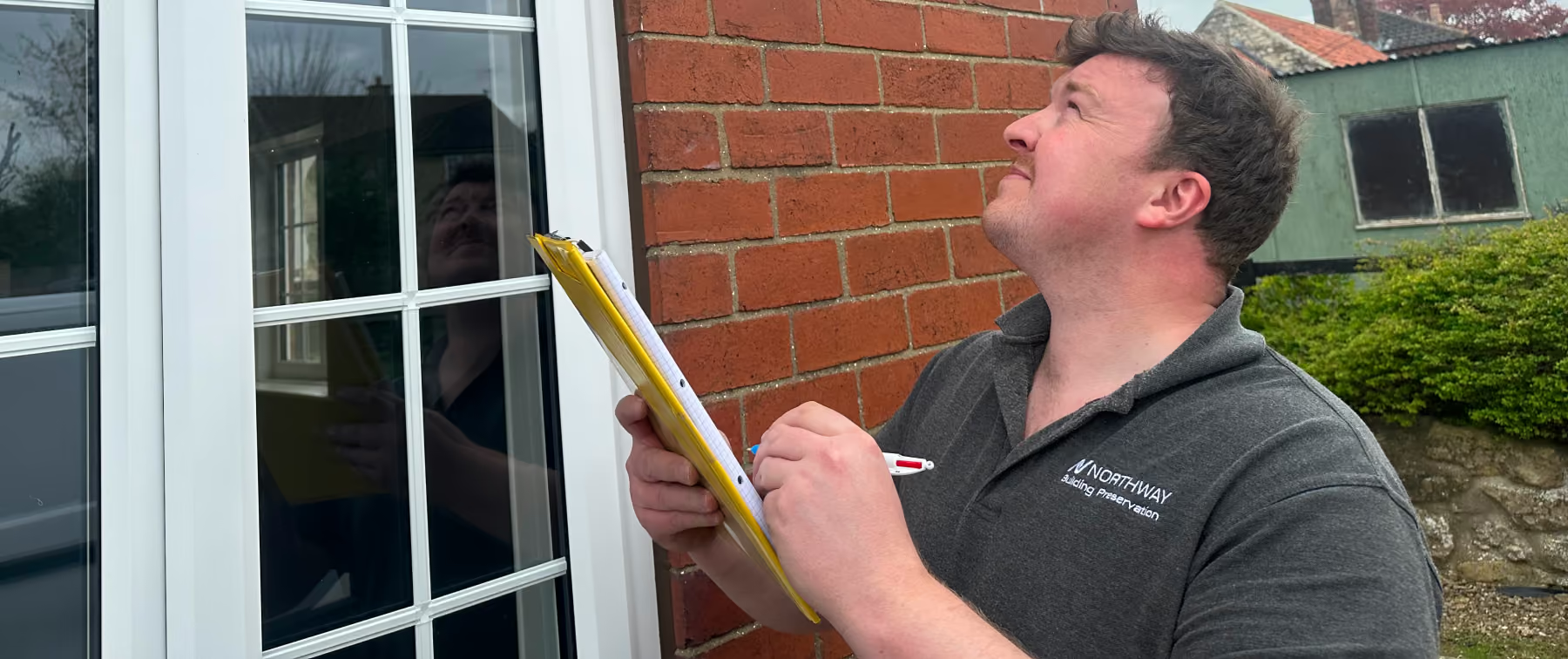
Poor ventilation can trap moisture, leading to condensation, mould, timber decay and increased risk of woodworm activity.
Learn More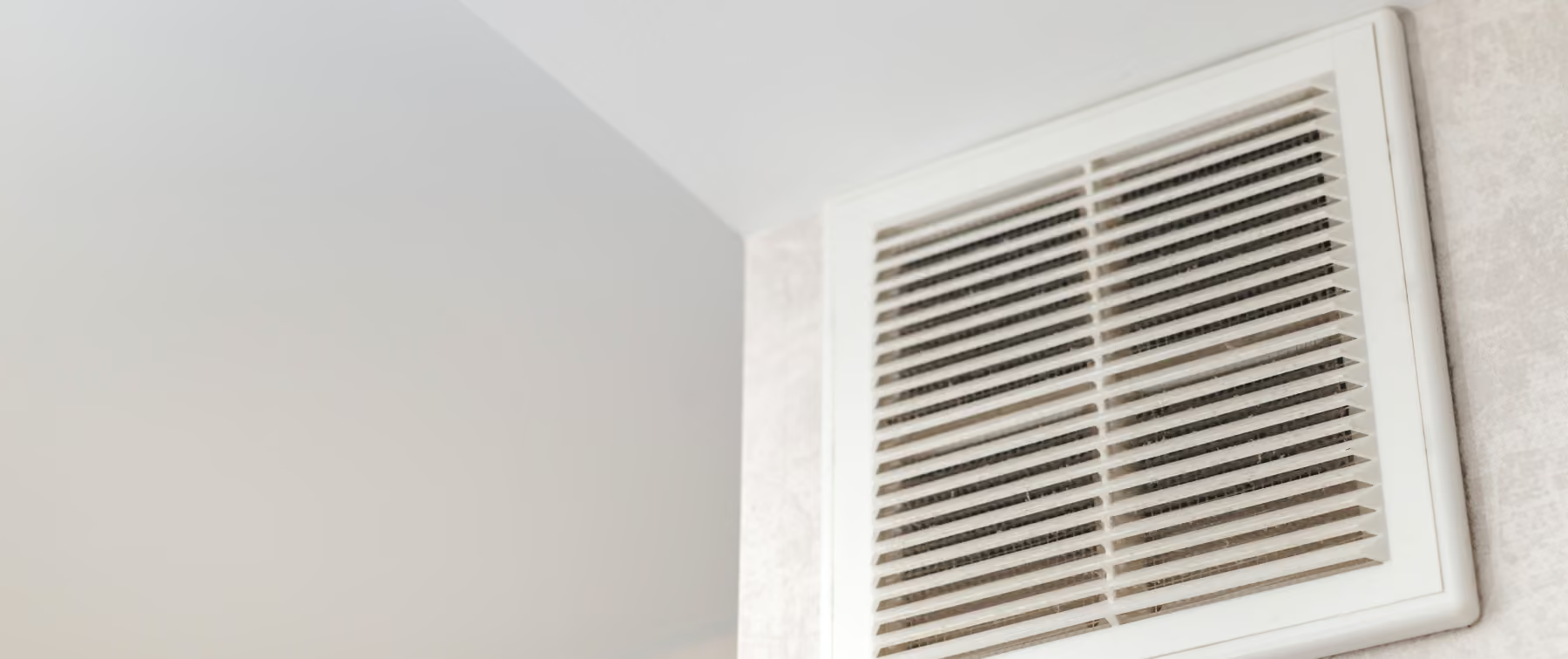
Damp patches after rainfall often point to moisture entering through defects in the external building fabric.
Learn More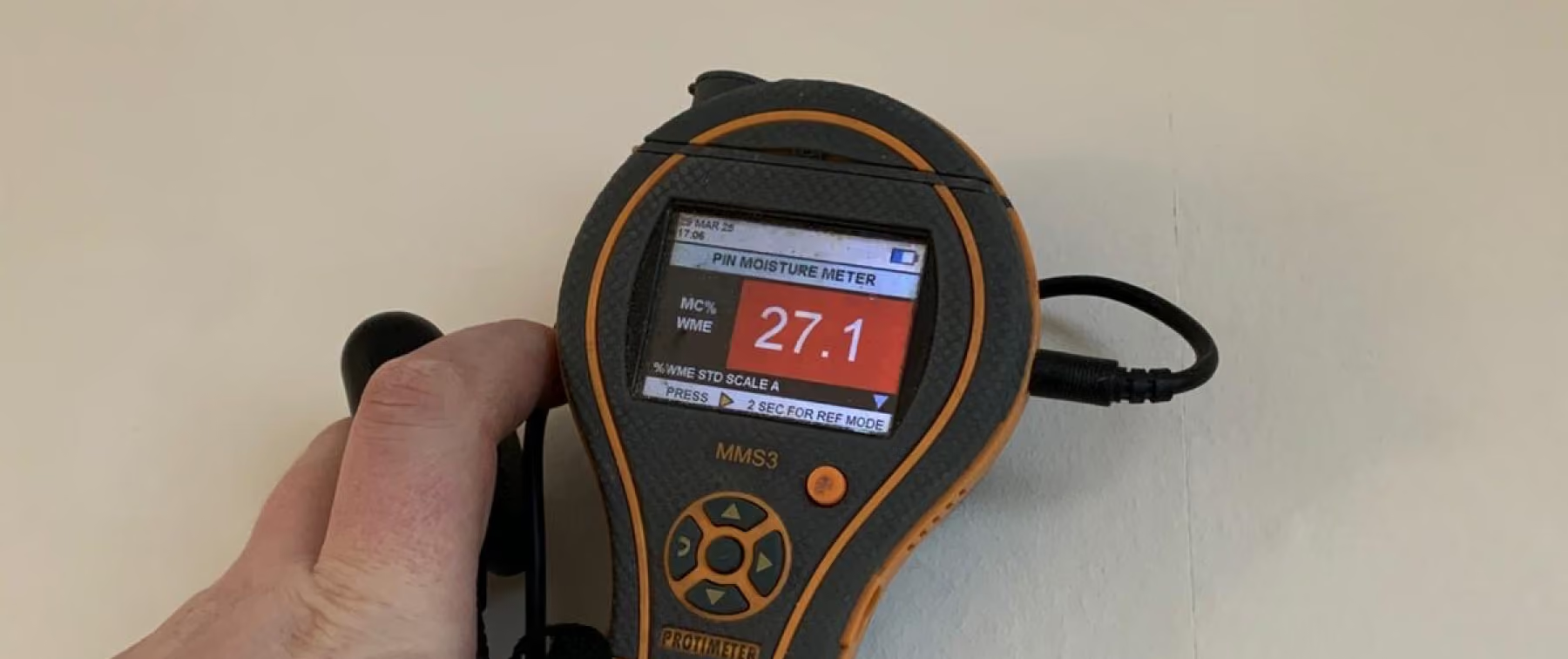
If you have concerns about damp or timber issues in your property, book a survey with Northway.
Whether you have a question, would like to book a survey or need support, our team is here to assist you.


