
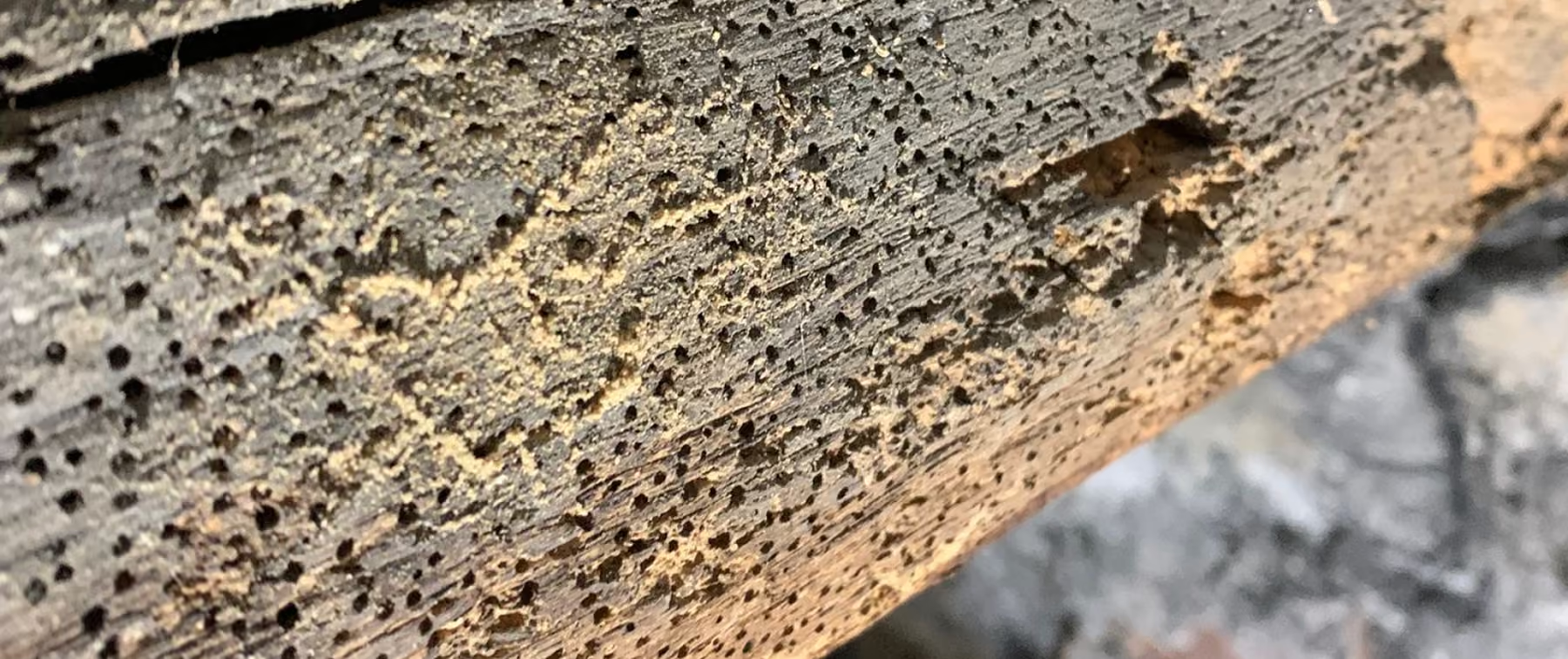
Woodworm is not a single species of insect. It is a general term used to describe the damage caused by the larvae of wood-boring beetles as they feed within timber. In UK buildings, the most commonly encountered species is the common furniture beetle, Anobium punctatum, although other wood-boring insects may also be present depending on the timber type, moisture conditions and building environment.
The damage usually becomes visible when adult beetles emerge from the timber, leaving small exit holes on the surface. These holes are often the first visible sign noticed by property owners, surveyors or building professionals. However, exit holes only show that beetles have emerged from the timber at some stage. They do not, by themselves, confirm whether the infestation is current, active or historic.
Wood-boring beetles typically lay eggs in cracks, crevices or exposed surfaces of suitable timber. Once the eggs hatch, larvae bore into the timber and feed on the wood over a period of time. It is this larval stage that causes the damage, as the insect tunnels through the timber before eventually pupating and emerging as an adult beetle.
The adult beetle exits the timber through a small flight hole, leaving behind the characteristic round or oval openings associated with woodworm. In some cases, fine bore dust, known as frass, may be visible around or beneath the affected timber. The appearance, texture and location of frass can assist in assessing whether activity may be recent.
In the natural environment, wood-boring beetles play an important role in the breakdown of dead and decaying timber. Within buildings, however, structural and decorative timbers can sometimes provide suitable conditions for infestation.
The risk is often increased where timber is:
Timber moisture content is particularly important. Many wood-boring insects are more likely to thrive where timber moisture levels remain elevated. For this reason, a proper woodworm assessment should not only look for holes in timber, but also consider the moisture condition of the surrounding building fabric.
One of the most important distinctions in timber preservation is the difference between active and historic woodworm.
Historic woodworm activity is common in older properties. Exit holes may remain visible long after the infestation has ceased. In these cases, treatment may not be required if there is no evidence of ongoing activity, no significant structural compromise and no environmental condition likely to support renewed infestation.
Active infestation may be suspected where there is fresh frass, recent emergence holes, visible beetles, ongoing deterioration or timber conditions that remain favourable for insect development. However, even then, the wider context must be considered before treatment is specified.
This distinction is important because unnecessary treatment can be avoided where timber is sound, dry and no longer at risk.
Common indicators of woodworm include:
However, each of these signs must be interpreted carefully. Holes may be historic, frass may be old or disturbed, and timber damage may be linked to other defects such as fungal decay, dampness or mechanical deterioration.
A visual inspection alone is rarely enough to make a fully informed decision.
Moisture is a critical factor in assessing woodworm risk. Elevated timber moisture content can make wood more susceptible to wood-boring insects and may also indicate wider building defects such as leaks, condensation, poor subfloor ventilation or penetrating damp.
A professional survey should therefore include moisture assessment, inspection of surrounding conditions and consideration of the building’s ventilation and construction. Treating the timber without addressing the underlying moisture condition may fail to provide a suitable long-term solution.
In many cases, the most important finding is not simply whether holes are present, but why the timber became vulnerable in the first place.
No. Woodworm does not always require treatment.
Treatment should only be considered where there is evidence of active infestation, ongoing risk, vulnerable timber or structural concern. In some older buildings, visible flight holes may relate to historic activity and may not require chemical treatment if the timber is dry, stable and no longer suitable for beetle development.
This is why a survey-led approach is essential. A responsible recommendation should be based on evidence, not assumption.
Treatment may be appropriate where:
Where treatment is required, the specification should be appropriate to the timber type, location, level of access, severity of infestation and condition of the surrounding building fabric.
A professional woodworm survey should establish:
For historic buildings, period properties and traditional construction, this level of assessment is particularly important. Older buildings often contain visible evidence of past insect activity, but inappropriate intervention can be avoided where the timber is sound and environmental conditions are controlled.
Northway approaches woodworm through diagnosis before treatment. Our inspections assess the visible evidence, timber condition, moisture levels and surrounding building environment before any remedial recommendation is made.
Where treatment is required, we provide targeted timber preservation works designed to protect the property and prevent further deterioration. Where treatment is not required, we will explain why and provide clear advice on monitoring, moisture control or associated repairs where appropriate.
This ensures property owners, architects, surveyors and heritage stakeholders receive clear, evidence-based guidance rather than unnecessary treatment.
Watch our video to learn more about Woodworm and how Northway can support you:
Woodworm should always be understood in context. The presence of holes in timber is only one part of the assessment. The more important question is whether the infestation is active, whether the timber remains at risk and whether the underlying conditions are suitable for continued insect development.
A professional survey provides the evidence needed to answer those questions clearly and recommend the right course of action.
A specialist survey can help confirm the cause, severity and likely remedial works before you proceed with a property purchase.
Learn More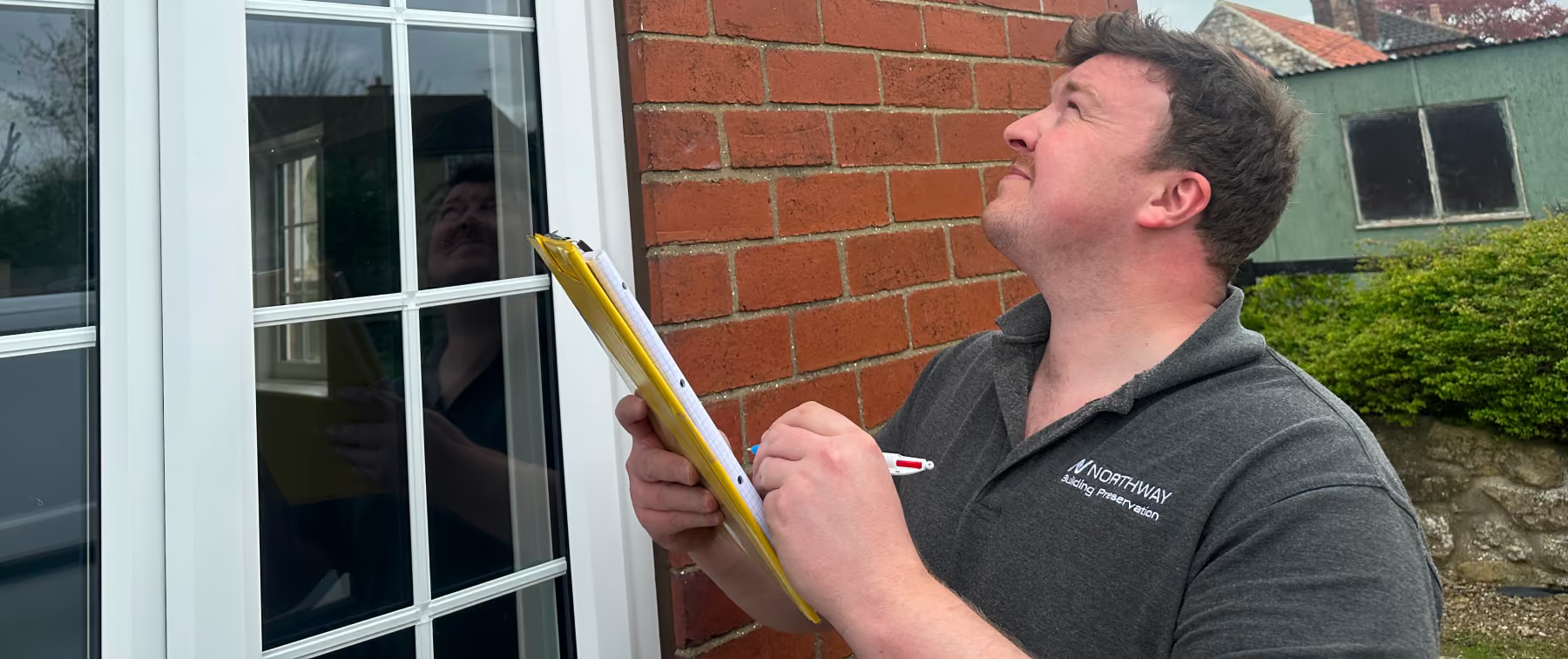
Poor ventilation can trap moisture, leading to condensation, mould, timber decay and increased risk of woodworm activity.
Learn More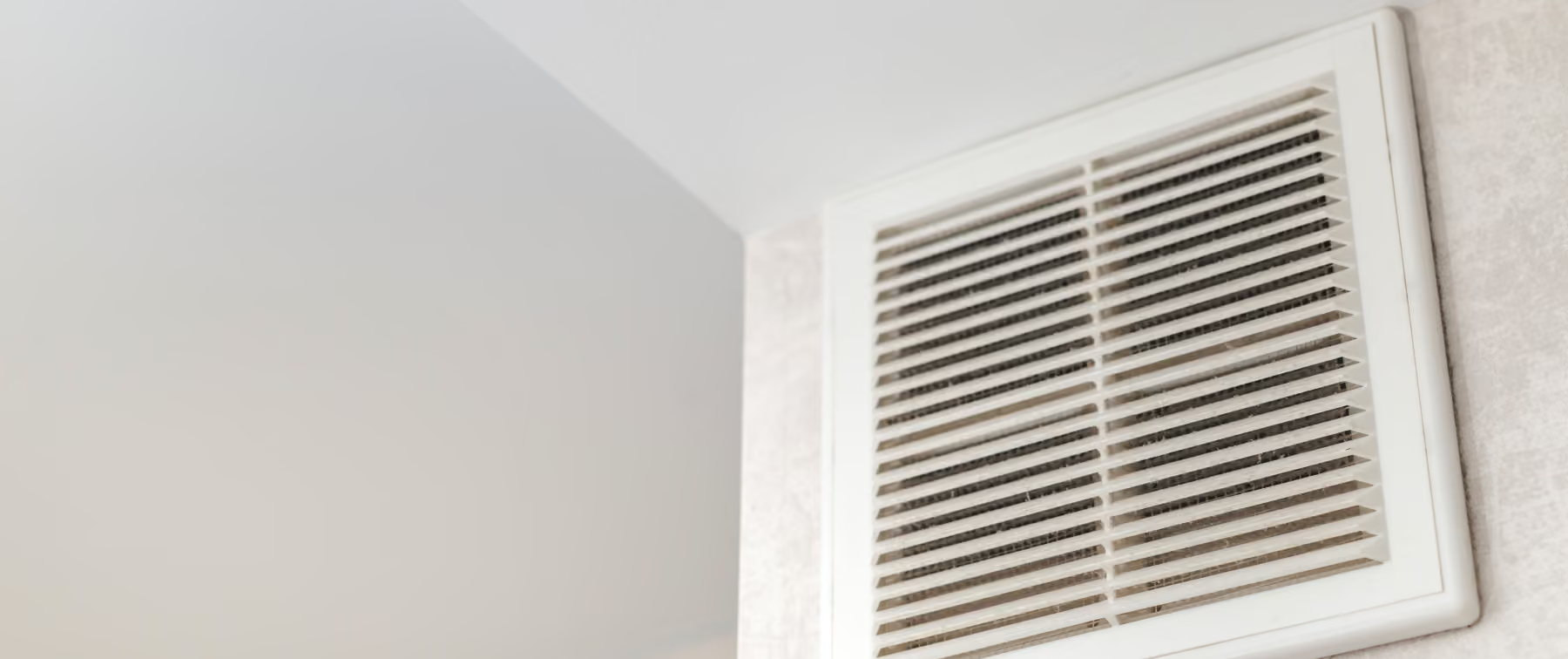
Damp patches after rainfall often point to moisture entering through defects in the external building fabric.
Learn More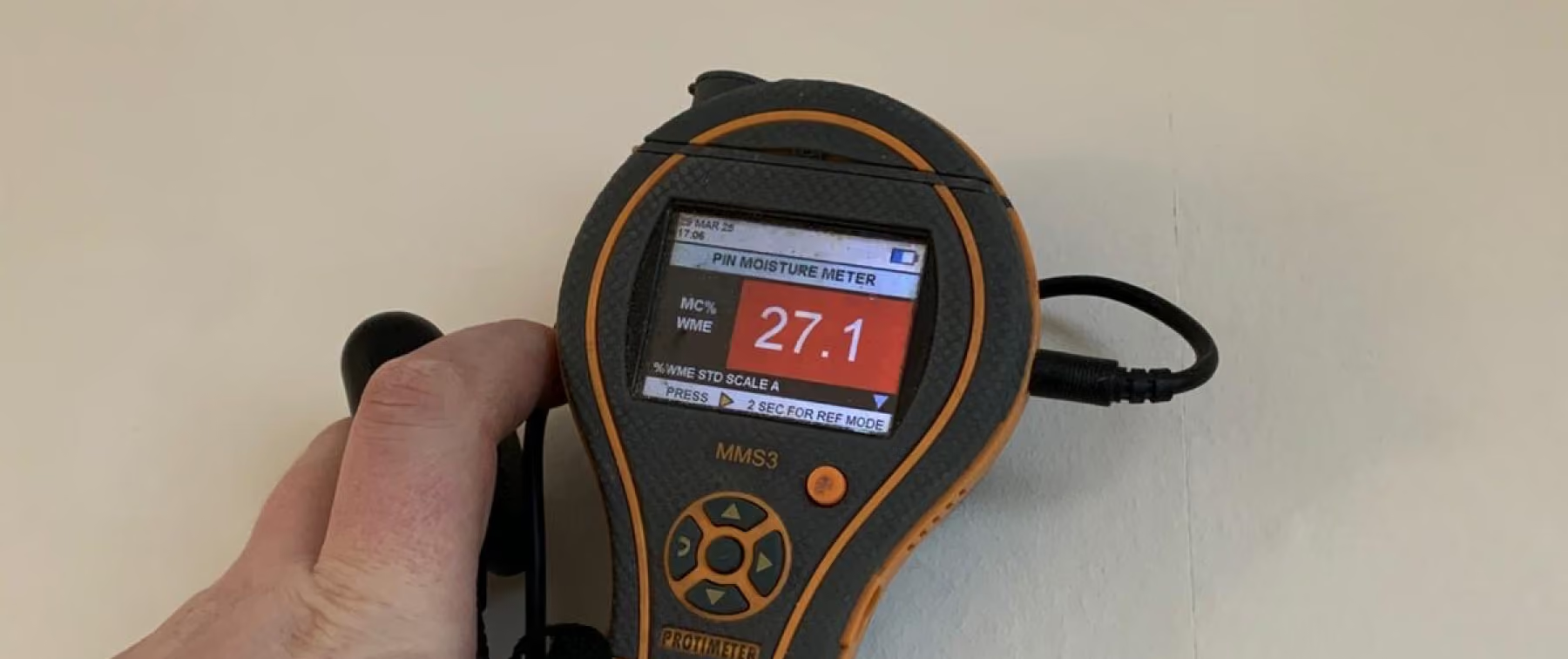
If you have concerns about damp or timber issues in your property, book a survey with Northway.
Whether you have a question, would like to book a survey or need support, our team is here to assist you.


