
No. Not all damp problems require damp proofing.
The term “damp proofing” is often used broadly, but in practice dampness can be caused by several different issues. Treating every damp problem with a standard chemical damp proof course or internal plaster system can lead to unnecessary work, poor outcomes and recurring defects if the true cause of moisture has not been identified.
A professional damp survey should establish where the moisture is coming from, how it is affecting the property and whether remedial intervention is genuinely required.
Damp symptoms can look similar on the surface. Staining, peeling paint, salt deposits, mould growth, damaged plaster and musty smells may all suggest moisture is present, but they do not automatically confirm the cause.
For example, a damp patch on an internal wall may be caused by:
Because the visible symptoms overlap, diagnosis should not be based on appearance alone.
Damp proofing can refer to several different remedial measures designed to control moisture movement within a building. This may include damp proof course installation, specialist replastering systems, waterproofing measures, moisture barriers or other forms of damp control.
However, these measures are not suitable for every damp issue.
A chemical damp proof course, for example, is typically associated with controlling moisture rising from the ground through masonry by capillary action. If the dampness is actually caused by penetrating damp, condensation, defective rainwater goods or trapped moisture, a chemical damp proof course will not resolve the root cause.
Many damp problems are caused by defects or environmental conditions that require a different approach.
Common examples include:
In these cases, the most appropriate solution may involve repairing the defect, improving ventilation, managing moisture, replacing contaminated plaster or addressing external ground levels rather than installing a chemical damp proof course.
Damp treatment should be proportionate to the cause of the problem.
If the source of moisture is not addressed, internal finishes may fail again even after remedial work has been carried out. This is why a survey-led approach is essential. The aim is not simply to remove visible symptoms, but to understand the mechanism causing the dampness.
A proper damp investigation should consider:
Only once these factors are understood should remedial work be specified.
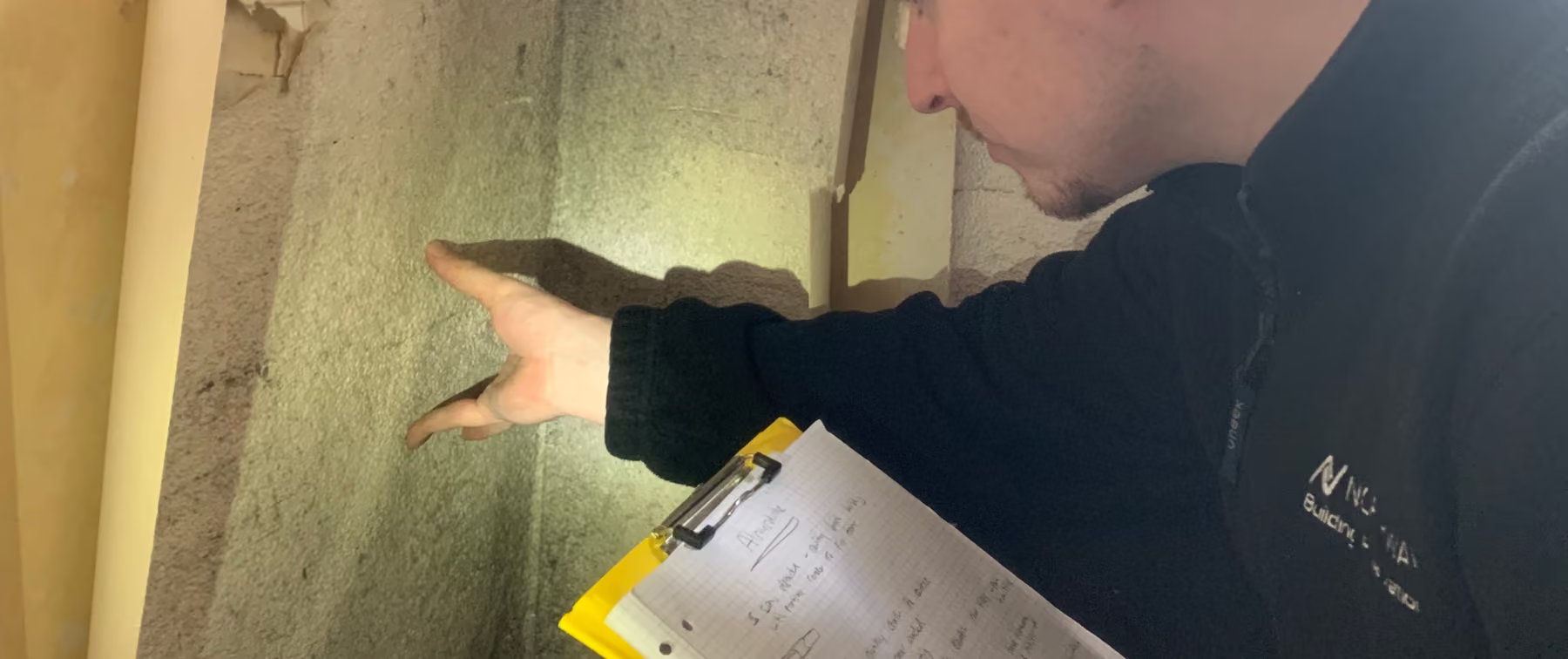
Northway conducts damp surveys to identify the root cause of the issue before advising on the best approach forward. Our surveyors assess both the internal symptoms and the surrounding building fabric to understand how moisture is entering, forming or being retained within the property.
This may include inspection of walls, plaster, skirting boards, floor areas, external masonry, rainwater goods, ventilation, ground levels and other relevant building details.
The purpose of the survey is to establish whether the issue is related to rising damp, penetrating damp, condensation, salts, leaks, poor ventilation, bridging or another underlying defect.
In many cases, the most appropriate solution is not a chemical damp proof course.
Depending on the findings, the correct approach may involve:
This ensures remedial work is based on the actual cause of damp rather than a standardised treatment.
There are situations where damp proofing works may be appropriate.
For example, remedial damp proofing may be recommended where there is evidence of moisture rising through masonry, where the existing damp proof course is missing, defective or bridged, or where contaminated plaster requires removal and replacement as part of a wider specification.
However, this should be determined through evidence, not assumption.
A responsible recommendation should explain why damp proofing is required, what it is intended to resolve and whether any associated building defects also need to be addressed.
Traditional and period properties often behave differently from modern buildings. Solid walls, lime-based materials, suspended timber floors and historic alterations can all influence how moisture moves through the structure.
In these properties, inappropriate damp proofing can sometimes create further issues by trapping moisture or disrupting the way the building was designed to perform.
This is why understanding the property’s construction is just as important as identifying the visible damp symptoms.
Northway does not approach damp by assuming that damp proofing is always required. Our role is to diagnose the cause of the issue, explain the findings clearly and recommend the most appropriate remedial strategy.
Where damp proofing is required, we will advise on a suitable specification. Where the issue is caused by another defect, we will explain the alternative approach needed to address the root cause.
This provides property owners, landlords, surveyors, architects and property professionals with clear, evidence-based guidance before any remedial works are undertaken.
Damp is a symptom, not a diagnosis.
The visible signs may suggest moisture is present, but they do not explain why it is occurring. Before damp proofing is considered, the cause of the problem should be properly investigated.
A professional damp survey helps ensure the right work is carried out, unnecessary treatment is avoided and the property is protected with an approach suited to its condition, construction and long-term performance.
A specialist survey can help confirm the cause, severity and likely remedial works before you proceed with a property purchase.
Learn More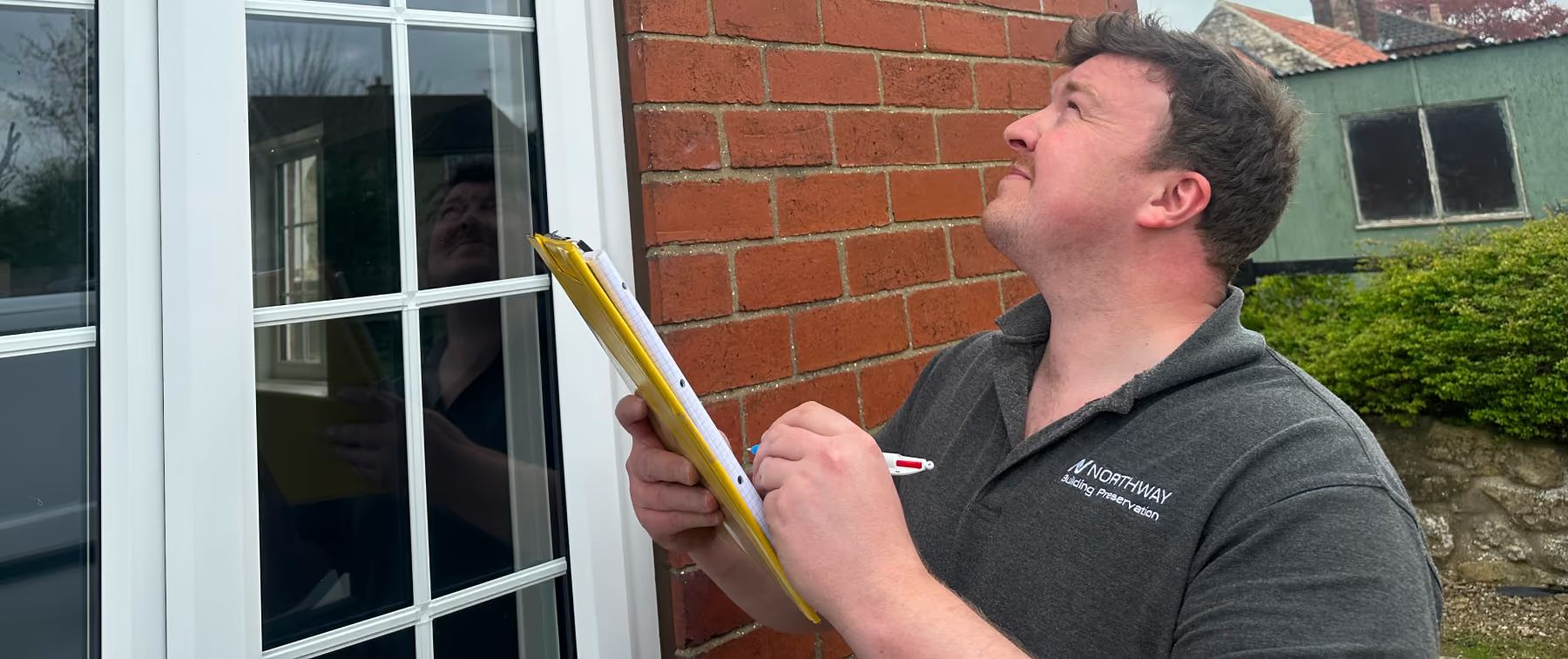
Poor ventilation can trap moisture, leading to condensation, mould, timber decay and increased risk of woodworm activity.
Learn More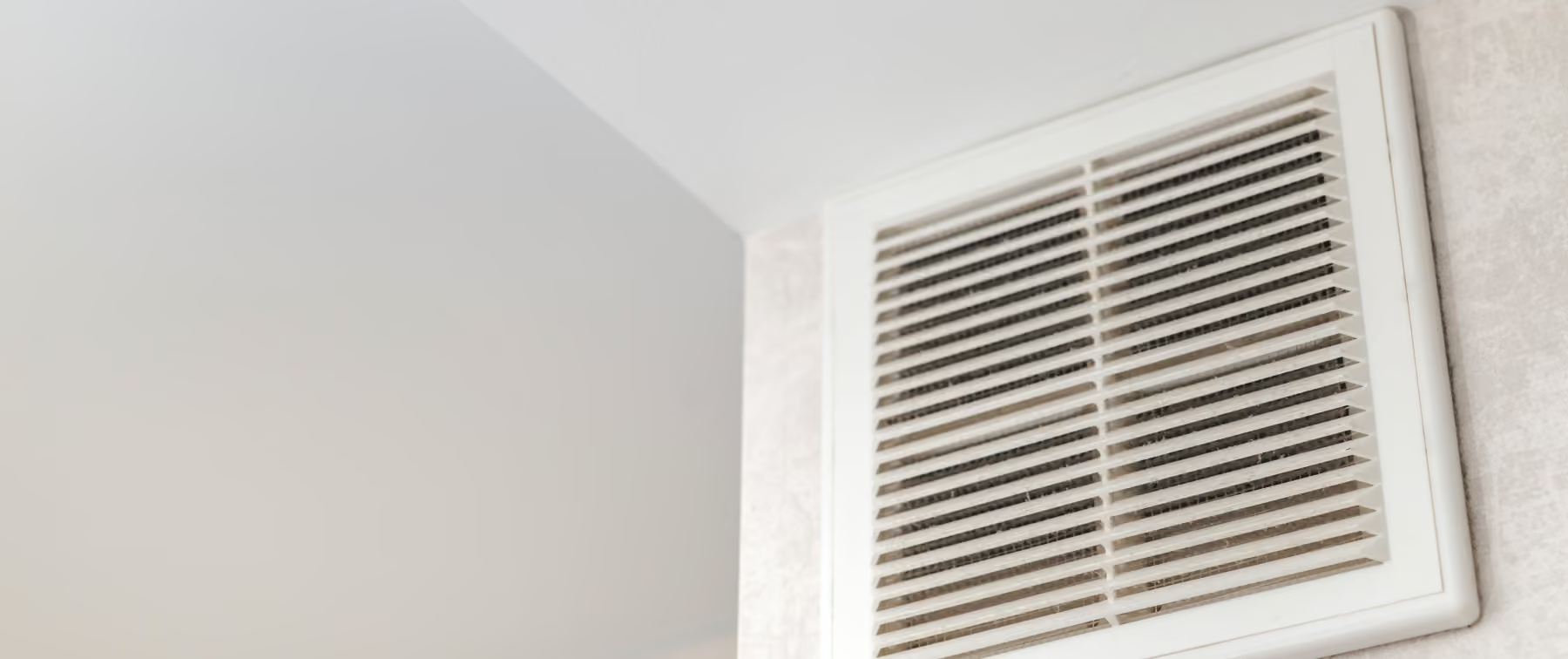
Damp patches after rainfall often point to moisture entering through defects in the external building fabric.
Learn More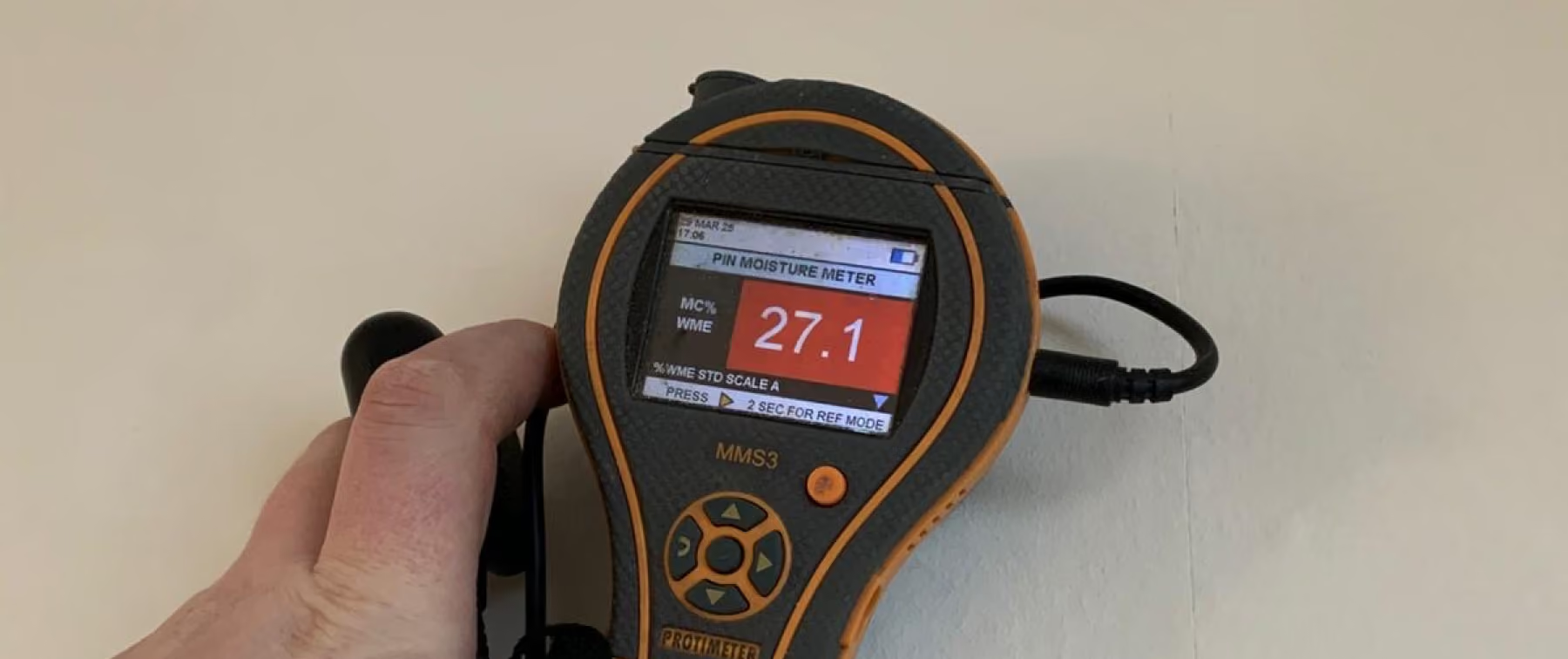
If you have concerns about damp or timber issues in your property, book a survey with Northway.
Whether you have a question, would like to book a survey or need support, our team is here to assist you.


